Corruption distorts democratic processes by allowing private interests to capture public institutions, weakening checks and balances and undermining citizens’ confidence in government.
Over time, corruption can hollow out democratic systems from within, making it more difficult for citizens to hold leaders accountable and participate meaningfully in public life.
“Corruption is one of the greatest obstacles to democracy and development.”
– Peter Eigen
Founder, Transparency International
How Corruption Weakens Democracy
Election Manipulation
Public resources may be diverted to benefit political allies, opposition voices may be marginalized, and electoral processes may be compromised.
State Capture
Powerful interests can influence laws, regulations, and public institutions for private gain rather than the public good.
Weak Institutions
When oversight bodies, courts, and prosecutors are influenced or undermined, accountability becomes increasingly difficult.
Erosion of Public Trust
As confidence in democratic institutions declines, citizens may disengage from civic participation or become more susceptible to authoritarian narratives.
COURAGEOUS LEADERSHIP
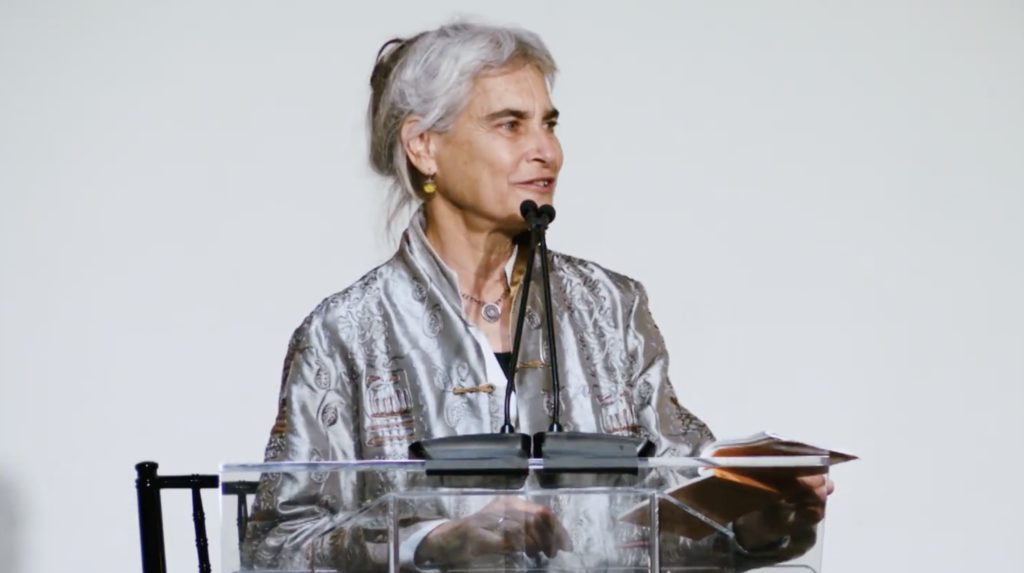
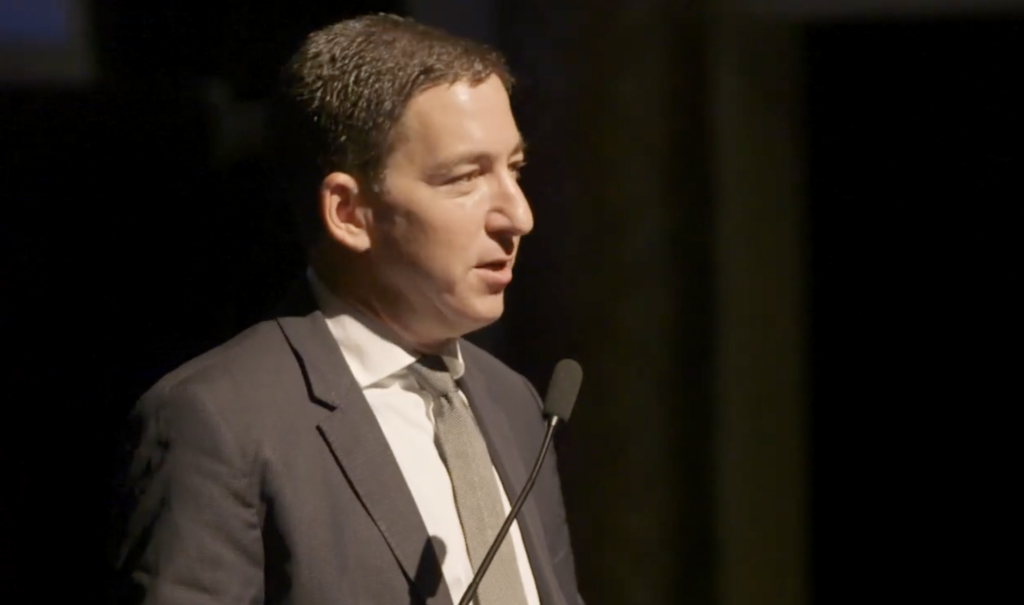
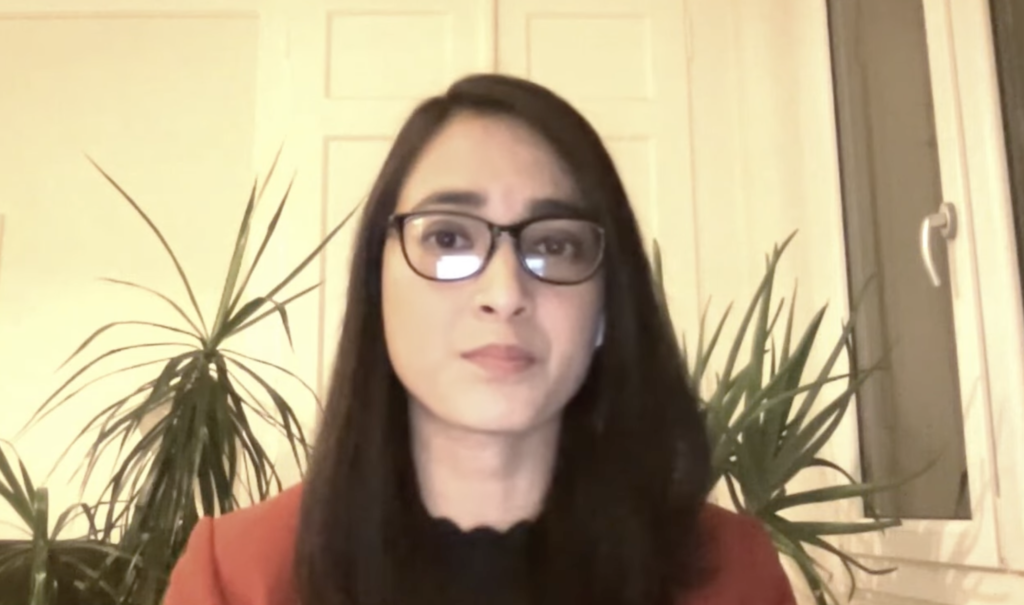
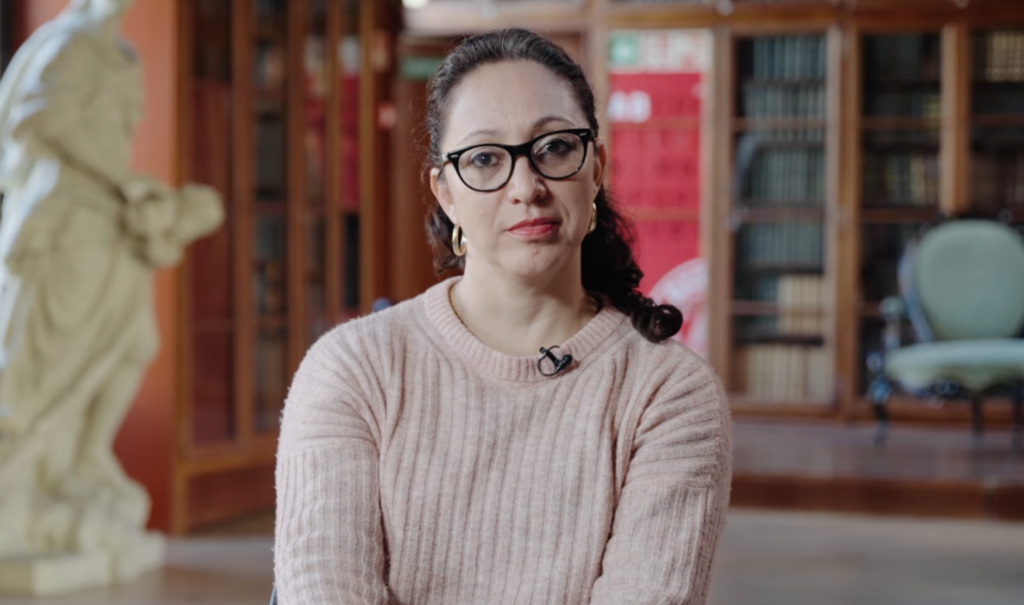
The Allard Prize has recognized and elevated individuals and movements working to strengthen democratic accountability, often at significant personal risk.
Examples include journalists exposing abuses of power, prosecutors defending judicial independence, and civil society leaders advocating for transparency.
Laureates from more than 15 countries have advanced democracy and accountability.
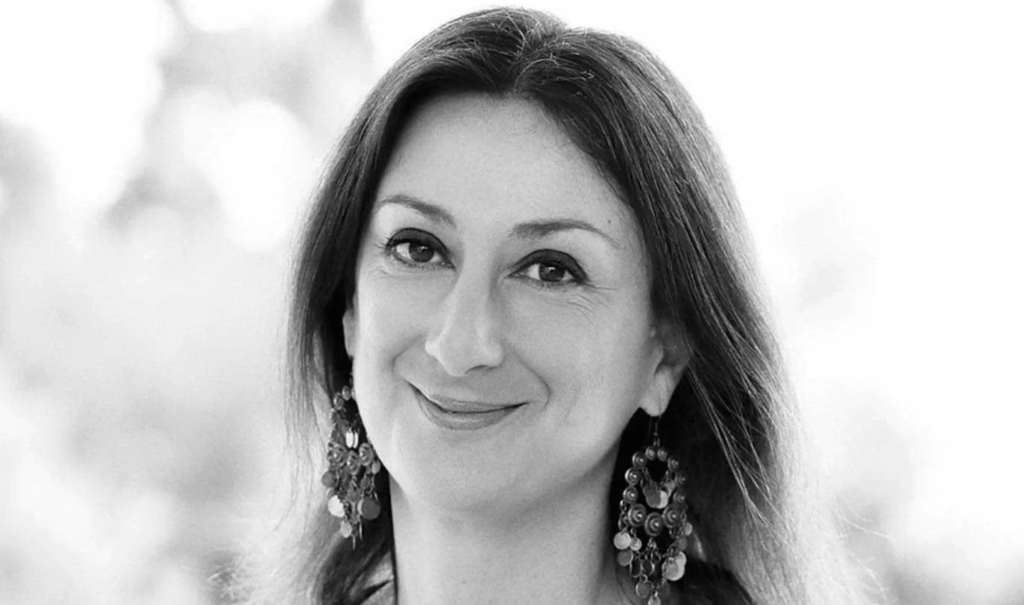
Investigative journalism and accountability in Malta
explore other dimensions of corruption
Corruption intersects with many of today’s greatest challenges. Explore each idea to learn how corruption undermines progress – and what can be done about it.